?share=copy&fl=sv&fe=ci
Post-Renters Rights Act - Section 13 - Rent Reviews: What the First-Tier Tribunal Cases Reveal
Most rent increases don't go to tribunal. However we've looked at the early First-Tier Tribunal decisions on rent increase disputes across the country so far. Understanding what works, what doesn't, and how the tribunal values evidence will help you protect your rent increase from challenge.
The Early Picture
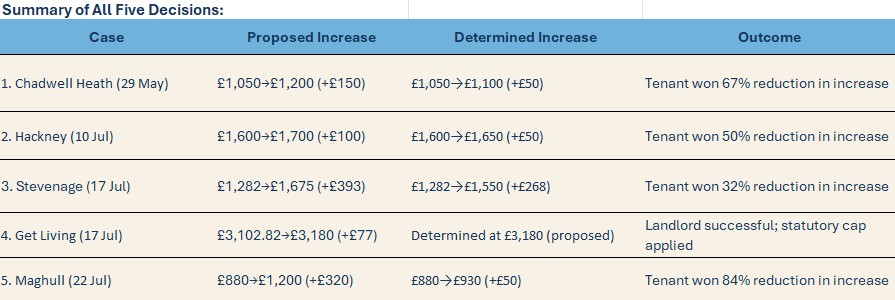
Greater London Properties have so far not had a tribunal case from our section 13 rent increase requests, however to get a grip on what to expect we've analysed five early FTT decisions across England. The outcomes vary, but what the tribunal values as evidence is consistent.
Here is what we found.
What Gets Tenants Results
Property condition needs documentation. Tenants who raised maintenance issues got reductions, but only when they had photographs or EPC evidence to back them up. Leaking roofs, defective meters, draughty windows, damp, mould—these all triggered reductions. But anecdotal complaints went nowhere. The tribunal wants to see the problem.
Comparables are king, and they must be real. The tribunal strongly prefers actual lettings over asking prices. In one case involving a build-to-rent property, the tribunal explicitly stated it placed greater weight on nine actual agreed lettings than on the tenant's advertised asking rents, even though the advertised rents were lower.
Generic estate agent valuations without supporting evidence get dismissed entirely. One landlord submitted emails from two agents saying "this should rent for £1,200" without any comparables or market data. The tribunal ignored them completely.
Your comparables need to be current, detailed, and genuinely similar. Recent lettings in the same development or building carry the most weight. Nearby comparables from the same area are useful, but properties from different locations or building types are less persuasive.
What Consistently Works Against Landlords
Weak or missing comparables. Three of the five cases saw significant rent reductions. In each, the landlord either failed to provide comparables or provided properties that weren't genuinely similar. A landlord proposing a 36% increase had only generic agent valuations to support it. The tribunal determined rent at just 5.7% above the existing level. That's the risk.
Lack of clarity on what's included. If your comparable properties include parking or furnished items but you charge these separately to the tenant, the tribunal spots it and adjusts. One landlord's comparables included parking, but the tenant paid separately for it. The tribunal deducted £75 pcm to reflect that difference. Be explicit: what's in the rent and what's charged separately.
Maintenance issues. Every tenant who raised maintenance problems got at least some reduction, even where issues were minor. Defective electric meters, leaking roofs, painted-shut windows—if tenants can document them with photos or professional evidence, the tribunal will apply a deduction. The best defence is to fix these before proposing an increase.
Undue hardship claims don't work. Several tenants claimed financial hardship to delay increases. The tribunal rejected all of them. One tenant even submitted a financial assessment from over a year before the hearing. The tribunal gave it minimal weight, saying that rent increases naturally require financial adjustment, but this doesn't constitute undue hardship unless supported by detailed, current evidence.
What This Means for Your Rent Increases
Prepare your case before you serve notice. Document the property's condition with dated photographs. Gather 3-5 current, genuinely comparable lettings with actual rental evidence. For furnished properties or those with amenities, decide what's included in the rent and what's separately charged, and make this clear.
Don't rely on valuations without evidence. One or two emails from agents saying "this should rent for £X" won't stand up. The tribunal wants to see the market. That means recent lettings in your area or development, with similar floor area, condition, and amenities. An unsupported agent opinion gets dismissed.
Fix maintenance issues before proposing an increase. This matters more than you might think. If there's damp, a broken meter, or draughty windows, the tribunal will know. The tenant will photograph it. You'll get a reduction. Spend the money on repairs first. You'll recover it in avoiding a tribunal reduction.
Price competitively and realistically. The tribunal can't award more than you've proposed, but it can go significantly lower. Proposing a 36% increase when the market supports 5% is an easy loss. The tribunal's job is to determine market rent, not to split the difference. Base your increase on solid evidence of what similar properties actually let for.
Looking Ahead
Most tenants won't challenge your increase. The vast majority accept the new rent if it's pitched at or near market rate. But the ones who do challenge it will find their way to the tribunal.
When that happens, landlords who understand the tribunal's standards will protect their rents. Those who wing it will see significant deductions.
The pattern is clear: the tribunal wants to see the market, not assumptions. Comparables matter. Property condition matters. Weak evidence gets punished. But for landlords managing properties properly and pricing competitively, this isn't a worry. The tribunal's decisions reflect good practice.
You probably won't end up in tribunal. But if you do, you'll be grateful you prepared properly.
Best Wishes
Megan Cutforth
Lettings Director
Greater London Properties
Your Home, Your Story
Our Values ✨
Accountable • Ambitious • Approachable • Authentic
☎️ 0207 113 1066 | ✉️ info@glp.co.uk
📸 @greaterlondonproperties | @glpdulwich